Tapasya: the Sacred Fire that Eradicates Sorrow and Grants Bliss
Tapasya is a profound spiritual principle rooted in the ancient yogic and Vedic traditions. Often translated as austerity, self-discipline, or sacred effort, tapasya refers to the conscious endurance of physical and mental challenges undertaken to purify the body, strengthen the mind, and awaken spiritual power. It is an inward journey of mastery, restraint and unwavering resolve.
Unlike external achievements, tapasya is an internal fire – a disciplined effort that refines the practitioner from within and builds unshakeable spiritual strength.
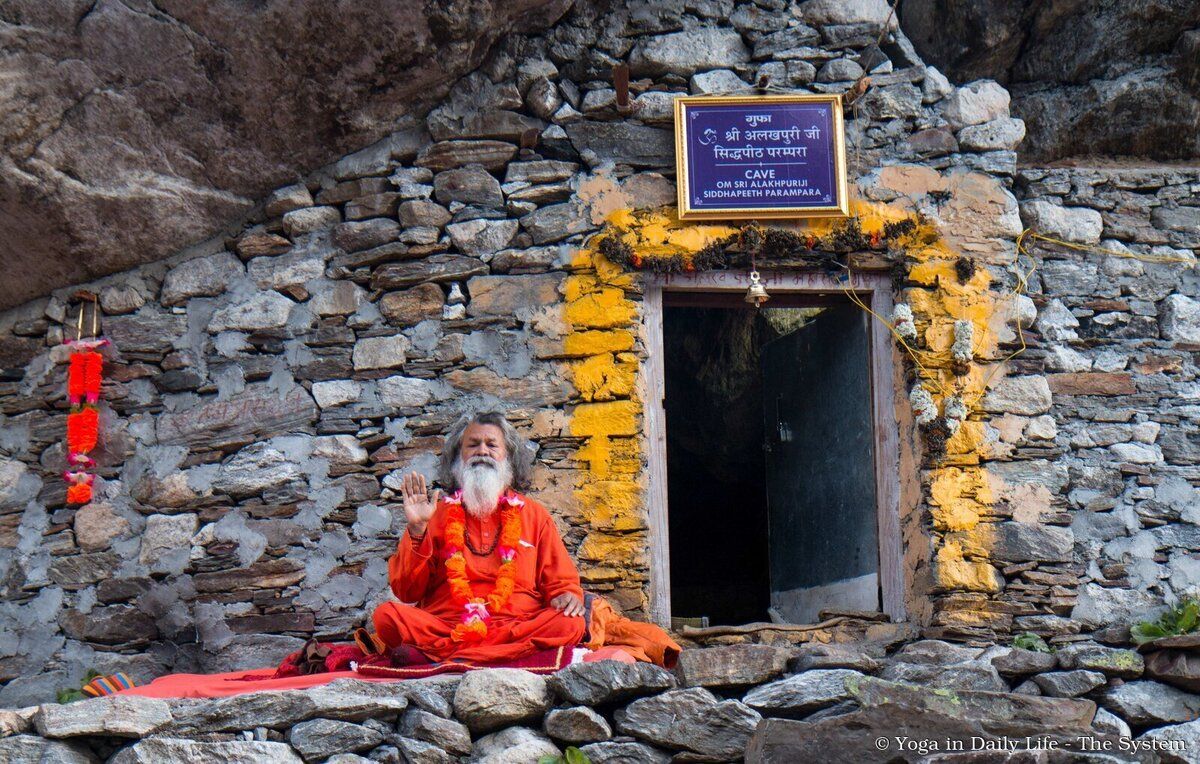
The Essence of Tapasya: Endurance and Inner Mastery
Vishwaguruji has beautifully described the essence of tapasya:
“Tapasya means to endure. To master every physical and mental difficulty. Surrender dissolves willpower. On the spiritual path, obstacles arise like thorns guarding a rose’s bloom. To reach the flower, you must pass through them.”
Tapasya is not escapism, nor is it self-punishment. It is a conscious engagement with discomfort – a training of the will to remain steady amidst adversity. Vishwaguruji emphasised that spiritual progress depends on one essential quality: santosha, contentment.
“Ask yourself: how much discomfort can you withstand? Those lacking santosha cannot persevere. Accept circumstances according to time, space and destiny without disturbing your inner self.”
Without inner acceptance, even the smallest hardship becomes unbearable. With contentment, even great trials become stepping stones.
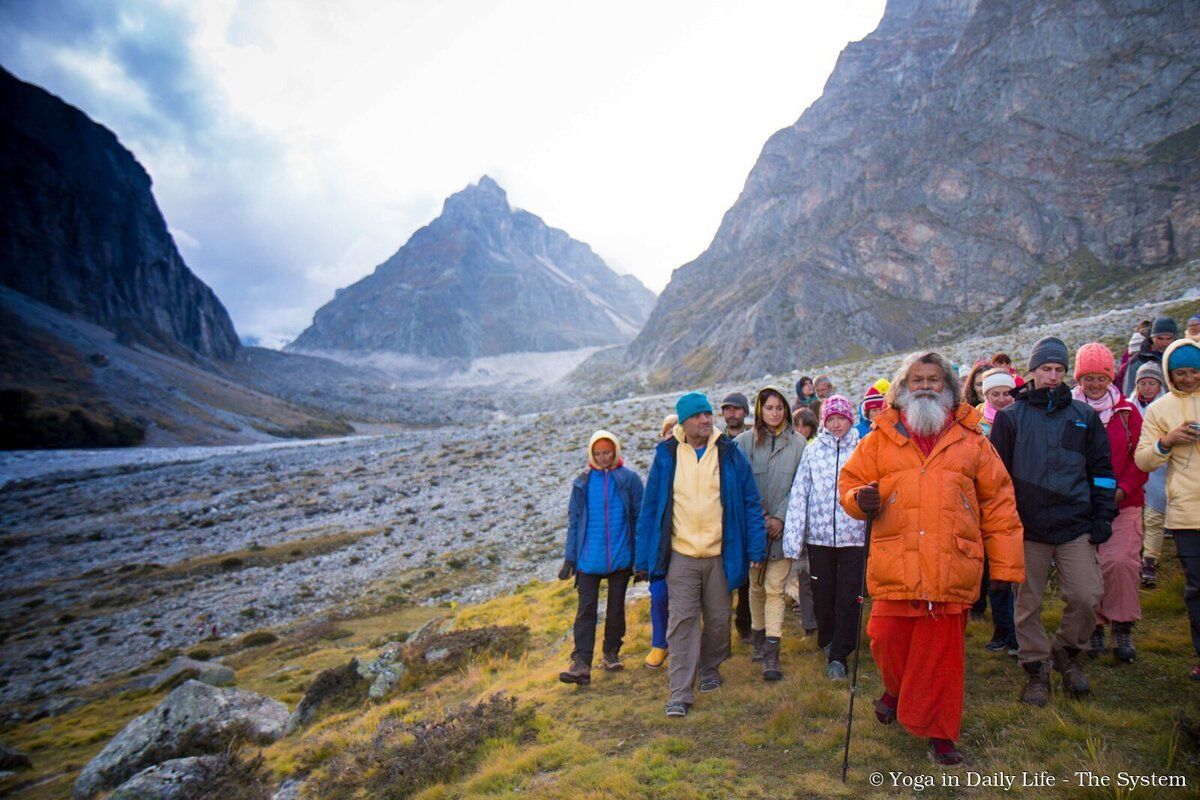
Why Only a Few Succeed on the Path
Vishwaguruji explained why spiritual success is rare:
“Only those grounded in sadhana endure. The weak crumble; the disciplined remain steadfast. Inner resolve (atmabala) is essential. Without it, trivialities shatter purpose.”
Memories, relationships, responsibilities, politics, and worldly concerns constantly test the seeker. Only those rooted in disciplined practice can withstand these distractions without losing direction.
“Nothing is impossible to the devoted. But sadhana requires santosha – oneness with your practice. A mantra unites mind and spirit, becoming Shiva himself.”
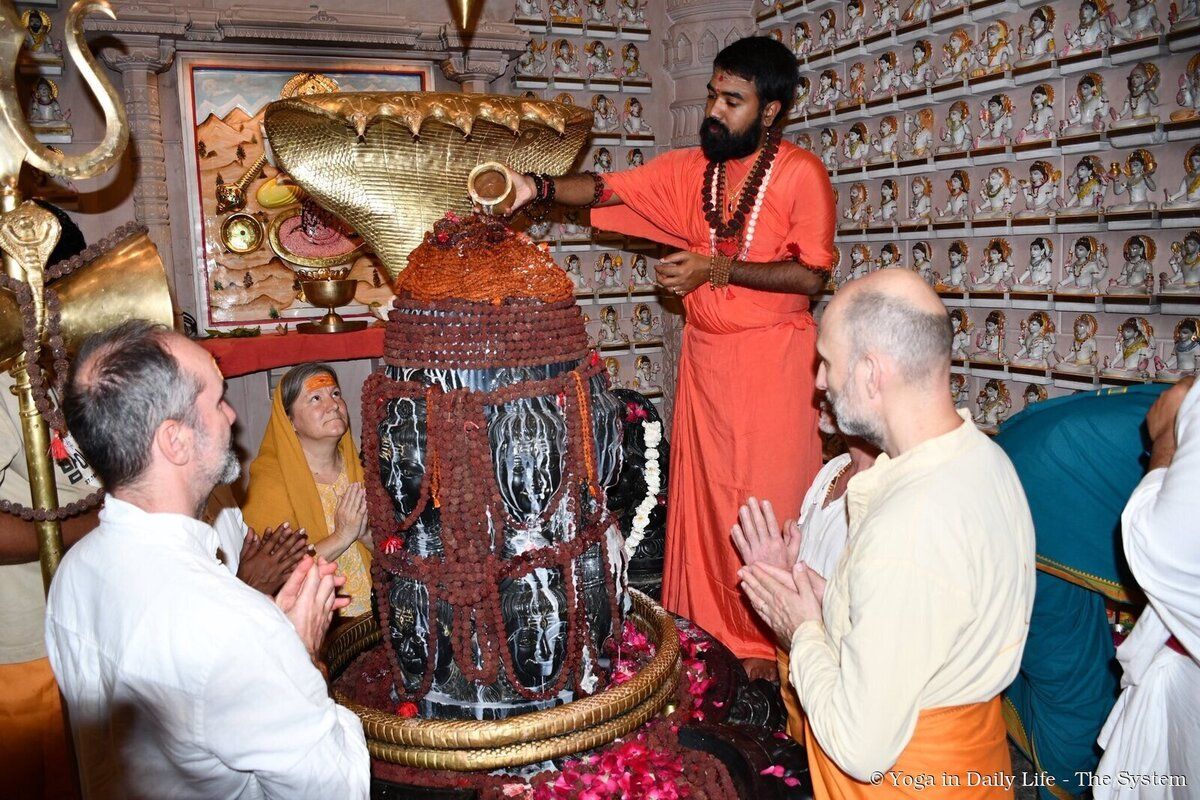
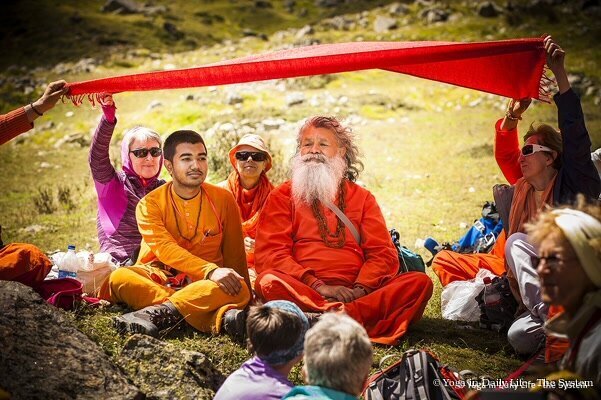
Creation Exists by the Power of Tapasya
Tapasya is not merely a personal discipline; it is a cosmic force.
“Only those who endure the rigorous exertions of tapasya reap its exceptional fruits. Thus, tapasya eradicates sorrow and grants bliss. It fortifies the mind. This is why saints and yogis devote themselves to it.”
According to yogic cosmology, the very fabric of creation rests upon tapasya:
- Brahma creates through the power of tapasya
- Vishnu sustains the universe through tapasya
- Shiva dissolves negativity and transforms existence through tapasya
“This entire creation exists by the power of tapasya.”
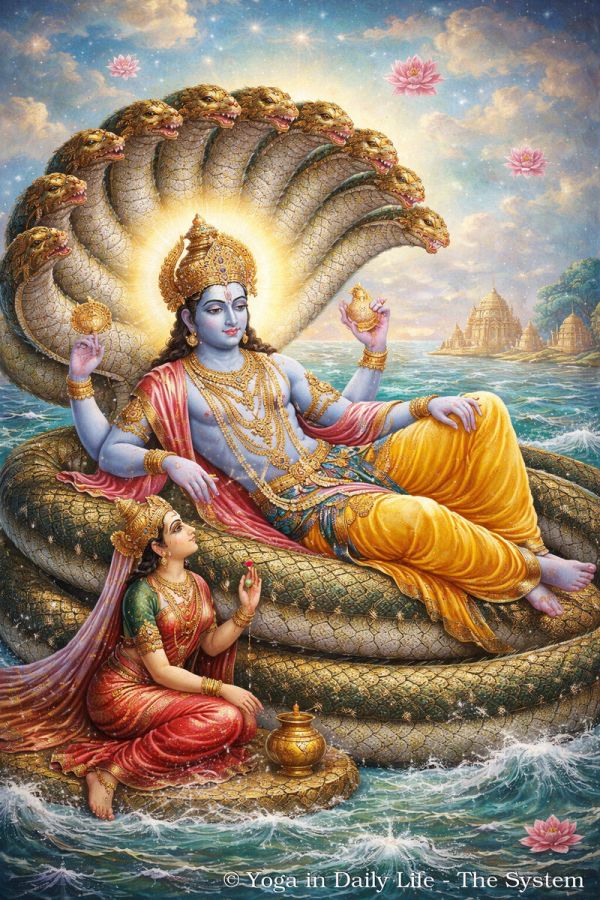
Even Seshnaga, the thousand-headed cosmic serpent, bears the weight of the Earth through his tapasya. Vishnu rests upon him with complete trust, like a child in its mother’s lap.
“A slight tremor in his posture causes earthquakes. When the ground shakes, pray: ‘Do not move your body.’”
Satsang: More Transformative Than Tapasya
While tapasya holds immense power, Hindu Dharmsamrat Paramhans Sri Swami Madhavanandaji (Holy Guruji) revealed an even deeper truth:
“Even one thousand years of tapasya cannot be compared to one second of satsang.”
The Story of Rishi Vishwamitra
The Ramayana recounts the powerful transformation of Rishi Vishwamitra, once a king who renounced his kingdom and performed over a thousand years of severe tapasya to become a Brahmarishi. Despite his efforts, he remained unfulfilled and consumed by ego and anger.
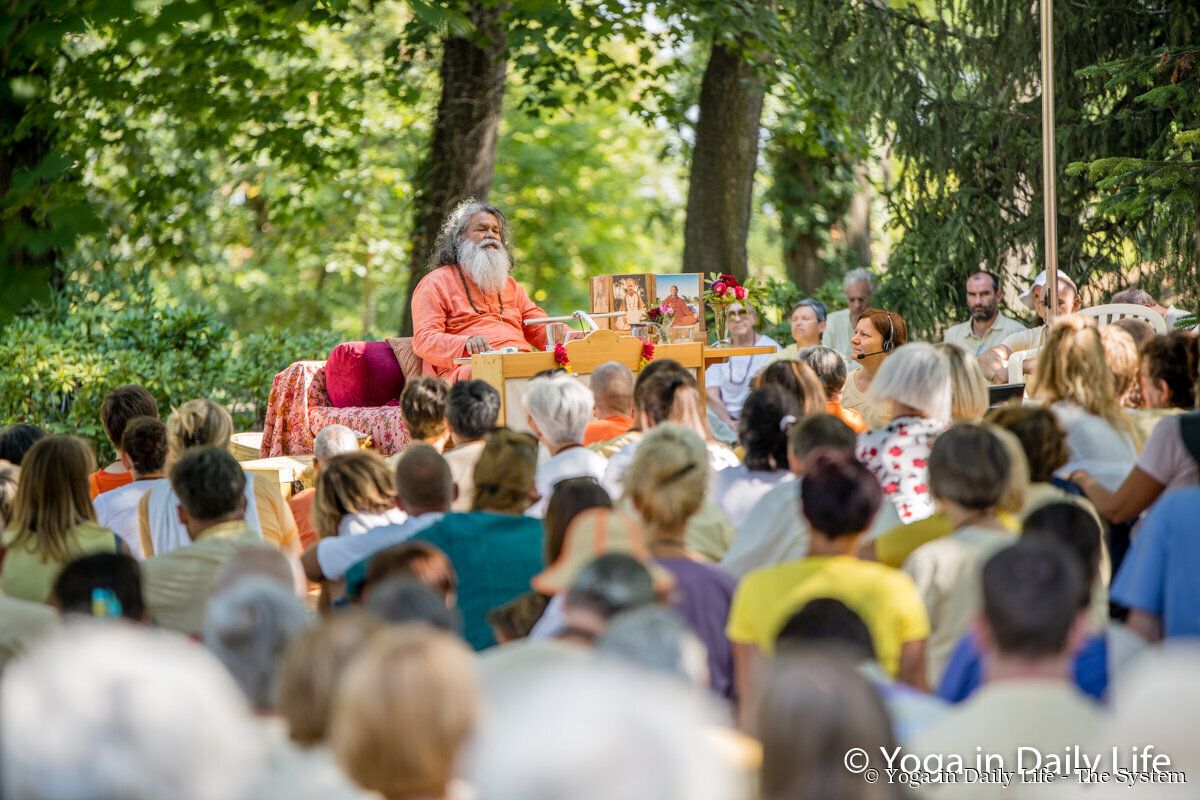
At the height of his rage, Vishwamitra intended to kill Sage Vashishtha. Yet, upon approaching him, he heard Vashishtha speaking lovingly of Vishwamitra’s greatness during a satsang.
That moment shattered him.
Listening quietly, Vishwamitra was overcome with humility and remorse. He realised his own shortcomings and fell at Vashishtha’s feet, asking forgiveness. In that very instant, the devas showered flowers from the heavens, proclaiming:
“O Vishwamitra, now you are a Brahmarishi!”
Only when his ego dissolved through satsang did his transformation occur.
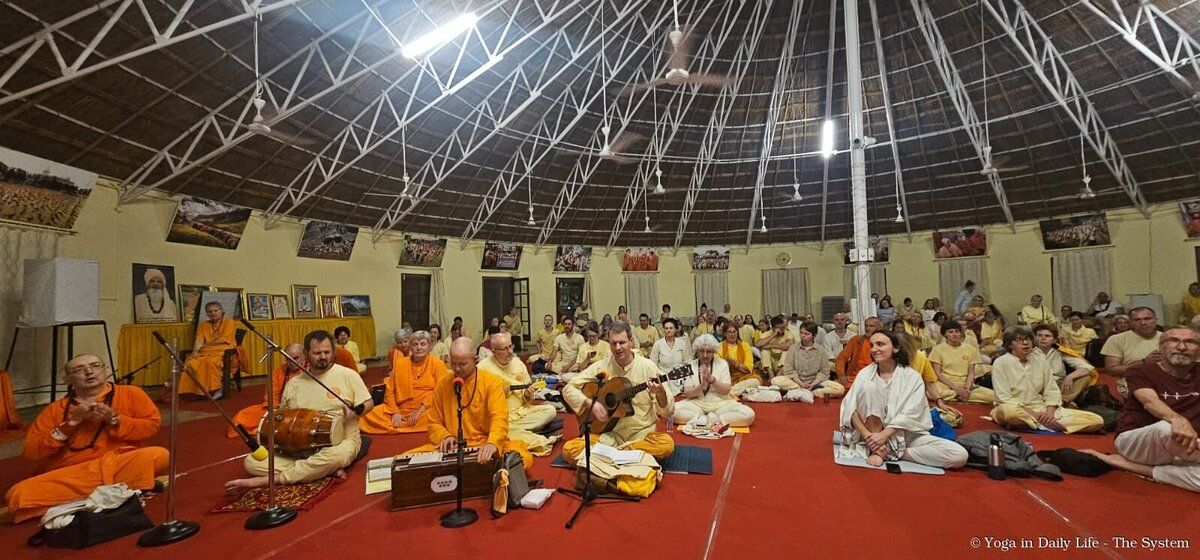
Tapasya and Satsang: Inner Effort and Outer Grace
Tapasya represents individual effort – the heat that purifies through friction.
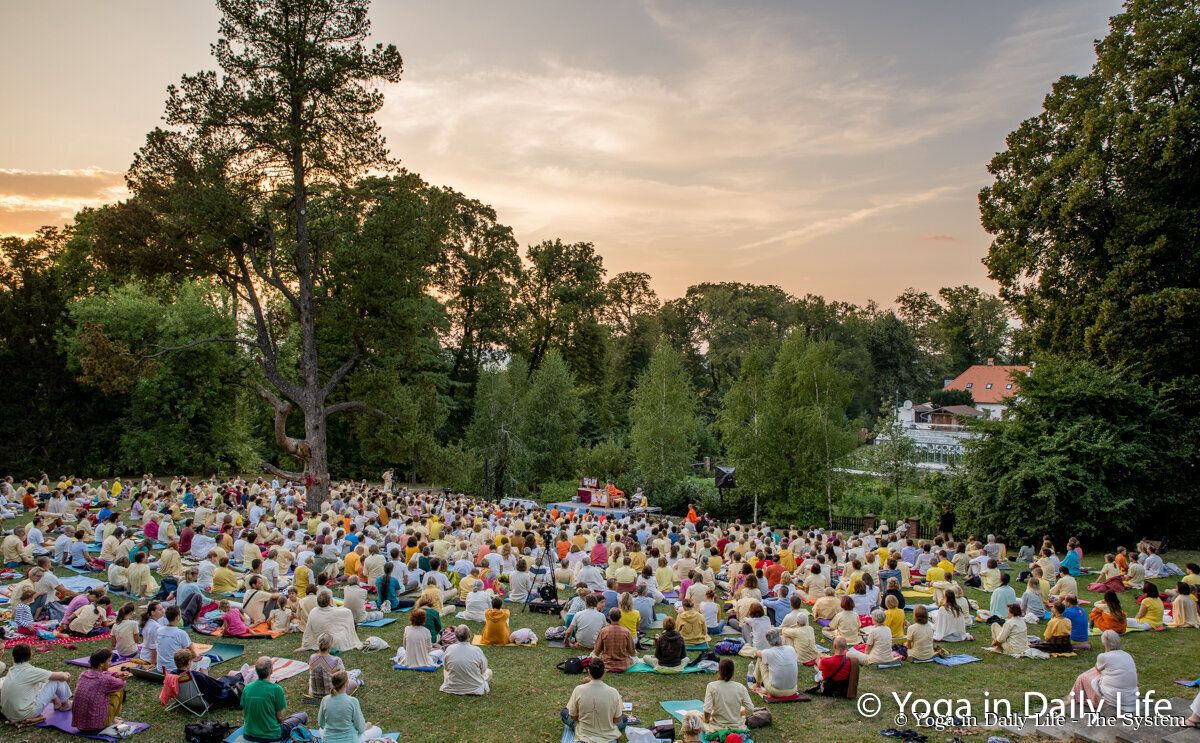
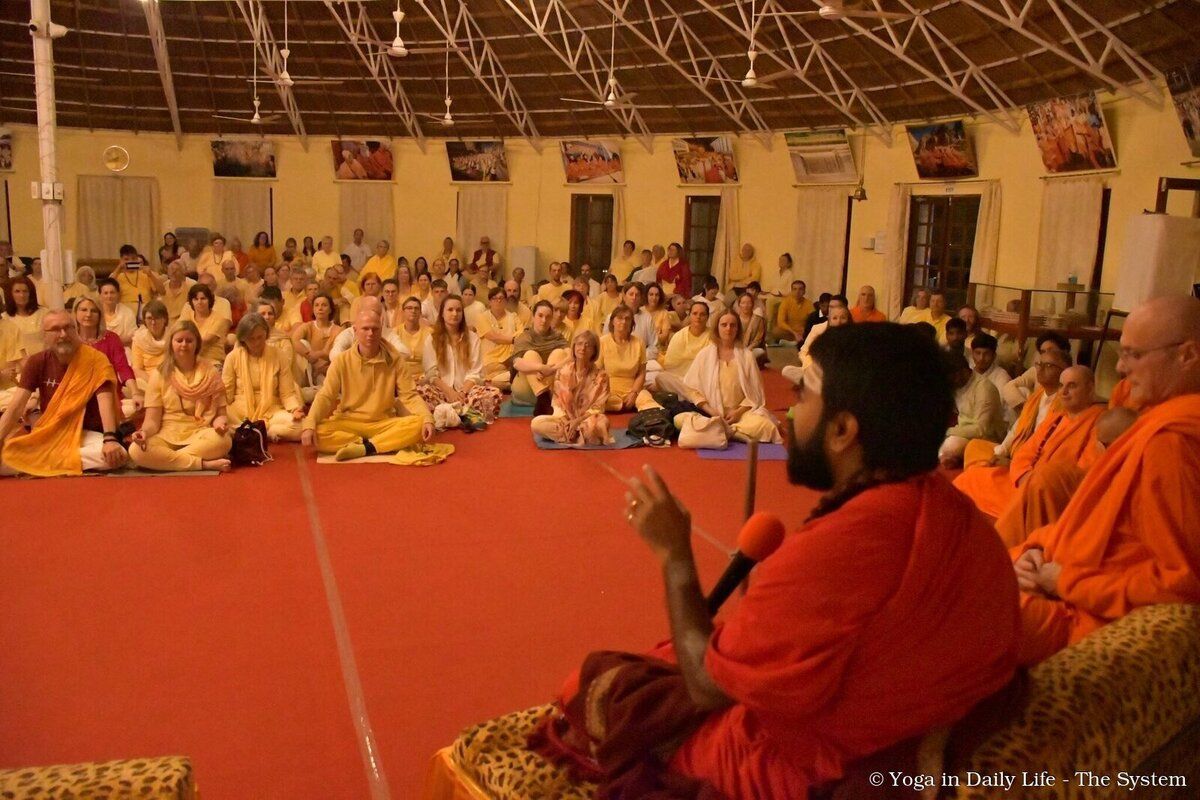
Satsang represents divine association, a mirror of truth that reveals what effort alone cannot.
While tapasya disciplines the self, satsang dissolves the ego. Together, they form a complete spiritual path.
Tapasya, Tyaga, and Titiksha
In yogic tradition, tapasya is cultivated alongside two essential virtues:
- Tyaga – renunciation of attachments and desires
- Titiksha – patient endurance of pleasure and pain without disturbance
When practised together, these three exhaust karmic patterns, purify consciousness, and lead the seeker closer to liberation.
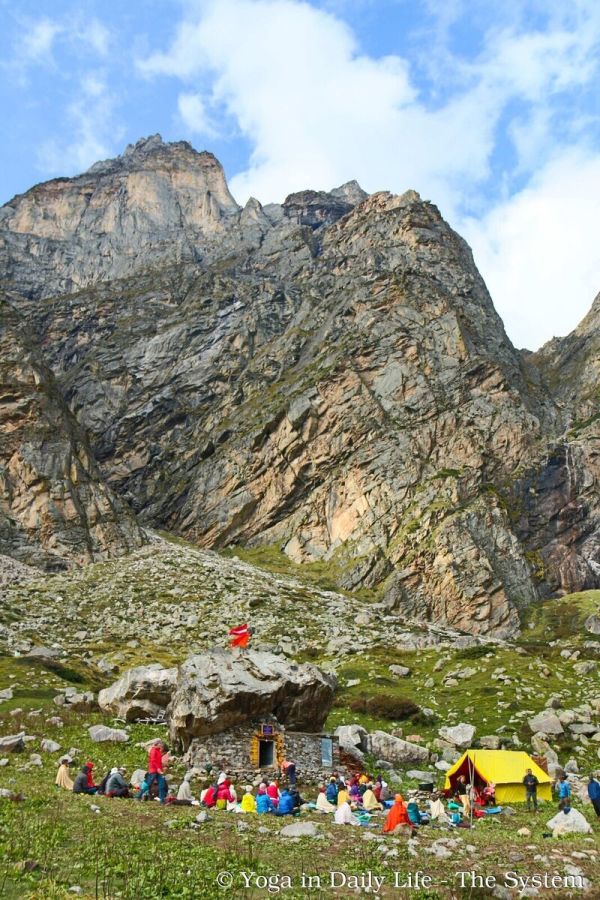
Great Tapasya
Though not a formal group, history honours many great beings renowned for their tapasya, including Mata Parvati, Brahmarishi Vishwamitra and Lord Rama.
Mata Parvati’s Supreme Tapasya
Mata Parvati performed extraordinary tapasya in the Himalayas to unite with Lord Shiva. Her austerities included prolonged fasting, enduring harsh climates and deep meditation. Eventually, she renounced food entirely, earning the name Aparna – one who eats no leaves.
Her meditation became so intense that she entered kevali kumbhaka, where breath itself ceased. Her devotion awakened Shiva from deep samadhi, symbolising the divine union of cosmic masculine and feminine principles.
Lord Rama’s Forest Exile
Lord Rama’s fourteen-year exile was a living tapasya. To uphold dharma, he embraced an ascetic life – wearing hermit’s robes, eating wild fruits, sleeping on bare ground and enduring hardship without complaint.
This tapasya prepared the way for the destruction of Ravana and the restoration of cosmic balance.
Tapasya in the Present Age
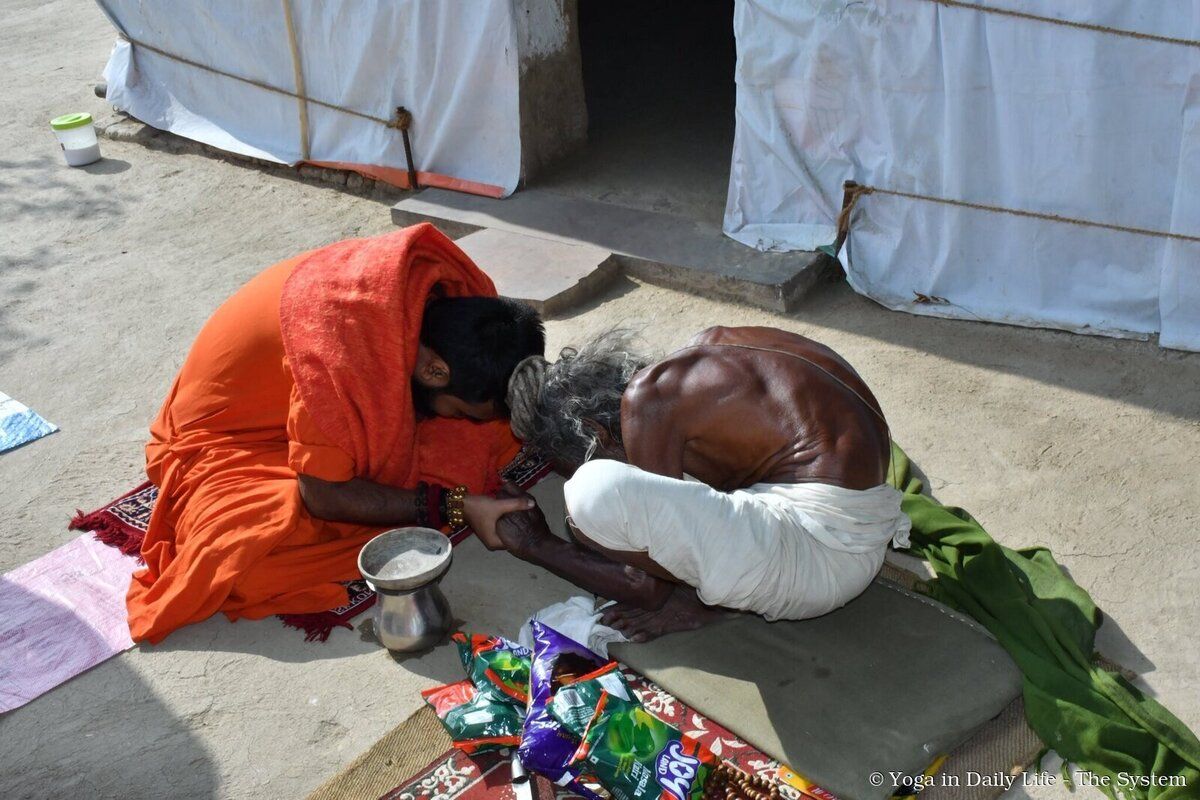
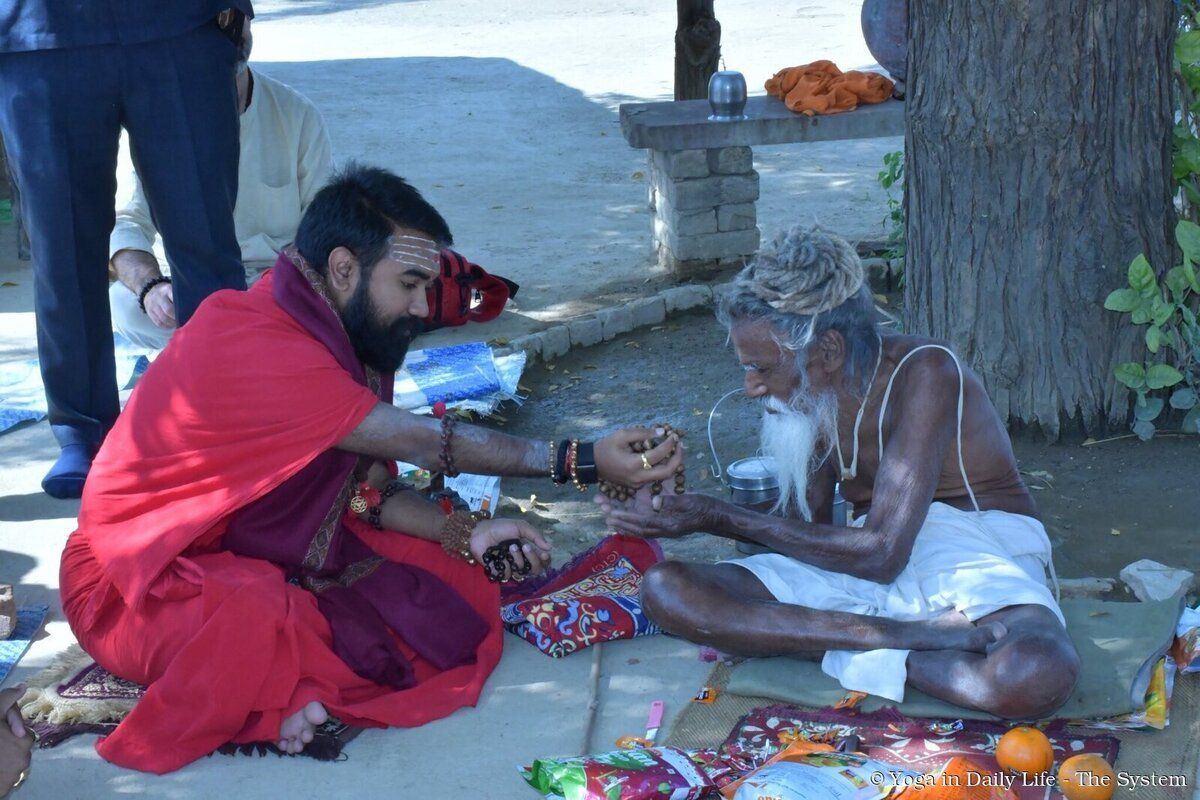
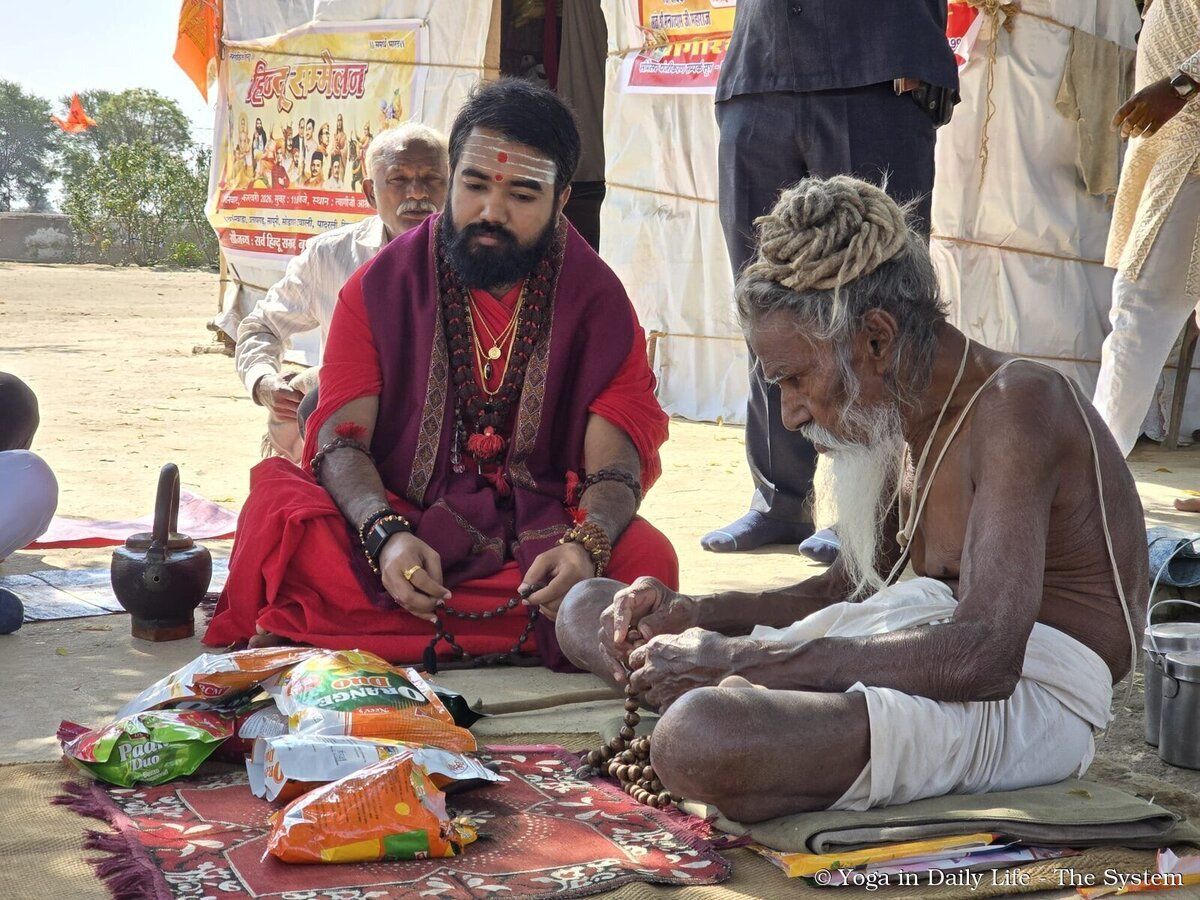
Till this day, there are individuals who live in complete renunciation, embodying this ancient current of spiritual fire. On the way to Nipal, where the Hindu Dharmsamrat Paramhans Swami Madhavananda Ashram is situated, lives a renunciate known as Tyagi Maharaj. He does not eat food, subsisting only on water, and remains constantly absorbed in the chanting of “Ram Ram Ram.” His life itself is a living example of tapasya, simplicity and unwavering devotion.
Sri Vishwaguruji would always stop to see him, honouring his deep spiritual discipline. In the same spirit of reverence and sacred continuity, Pujya Maharaj Swami Avatarpuri Ji has carried forward this tradition – pausing to offer respects and receive blessings. Such gestures reflect the timeless bond between realised masters and sincere ascetics, and affirm that tapasya is not merely a concept of the past, but a living reality in the present.
The Living Flame of Transformation
Tapasya is not about suffering; it is about strength, clarity and transformation. It burns away weakness, sharpens resolve, and leads the seeker from sorrow to bliss. Yet, tapasya reaches its highest fulfilment when guided by satsang, humility and devotion.
Click Below to Deepen Your Understanding
What to Renounce
Explore how renunciation applies in everyday life:
https://www.swamiji.tv/video/9730/the-path-of-renunciation-in-daily-life
Patanjali's Yogasutras: The Three Tapas as Obstacles
Learn about the three kinds of tapas and how they appear as obstacles:
https://www.swamiji.tv/video/9339/patanjalis-yogasutras-the-three-tapas-as-obstacles