Raja Yoga: The Path of Discipline and Practice
Raja Yoga, often referred to as the "Royal Path", is one of the four principal paths of yoga, alongside Gyana, Bhakti and Karma Yoga. The term Raja in Sanskrit means "king" or "royal".
Raja Yoga is the path of self-discipline and practice. Raja Yoga is not just physical practice, but meditation; it is a complete discipline of self-mastery that integrates mind, body and spirit.
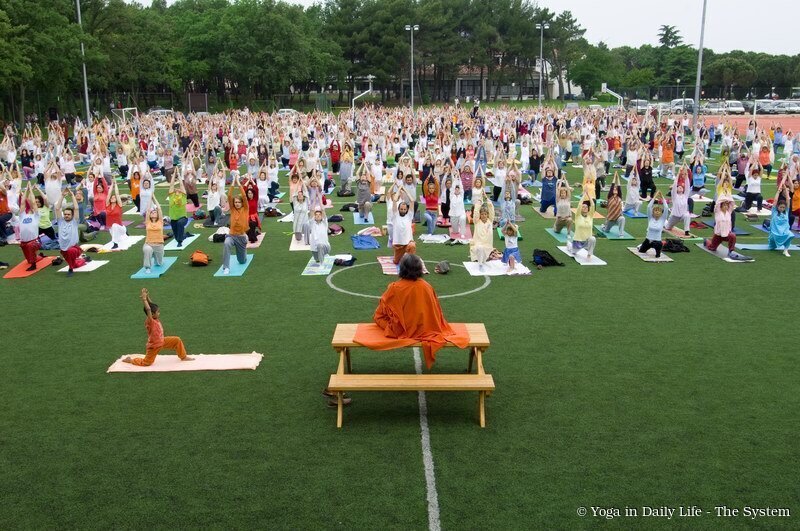
The Essence of Raja Yoga
At its heart, Raja Yoga is the path of self-discipline and inner governance. It teaches that spiritual growth arises from conscious control of thoughts, emotions, and actions. This wisdom is codified in Patanjali’s Yoga Sutras, which present Raja Yoga as an eightfold path designed to purify the mind and awaken higher awareness.
Patanjali emphasises the importance of inner rulership:
“ As the inner ruler (antaryāmī), you must govern your mind (manas) and senses (indriyas). If the king loses control, the kingdom crumbles.”
This highlights the importance of self-mastery in Raja Yoga, where control over the mind is essential for spiritual growth.
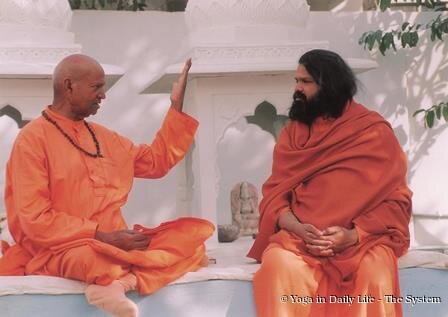
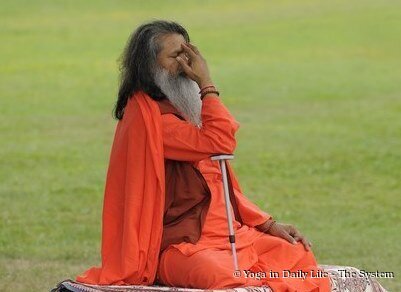
Similarly, Hindu Dharmsamrat Paramhans Sri Swami Madhavananda (Holy Guruji) teaches in a bhajan:
“Ahimsā dharm se koī ūñcā dharm nahī̃ Srī Mahāprabhujī ne batāyā saba hī grantha santa janõ ne vedõ kā sār samajhāyā.”
This means: “There is no higher dharma than ahimsā. Sri Mahāprabhuji has taught this. All scriptures and saints have acknowledged this, and the essence of the Vedas has been understood through it.”
This teaching affirms that ahimsā (non-violence) is the highest spiritual law, recognised by saints, scriptures and the essence of the Vedas themselves.
Ahimsa: The Foundation of Raja Yoga
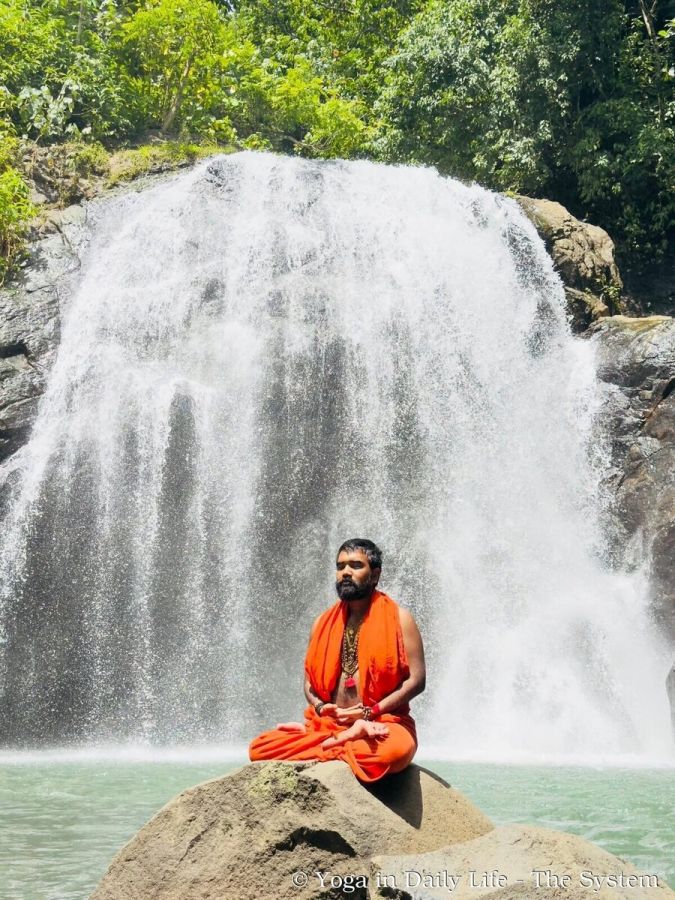
Ahimsa extends beyond physical non-violence. It includes thoughts, words and intentions, as well as compassionate living. To practise ahimsā is to renounce harm in all forms – recognising that all beings cherish life and experience pain.
For this reason, ahimsā also encourages mindful living, kindness in speech, positivity in thought, and ethical choices such as abstaining from violence toward animals. Patanjali places ahimsā first among the Yamas, reminding us to continuously reflect:
Do my actions, words and thoughts uphold non-violence?
Without ahimsā, higher yogic practices cannot bear lasting fruit.

The Eightfold Path of Raja Yoga
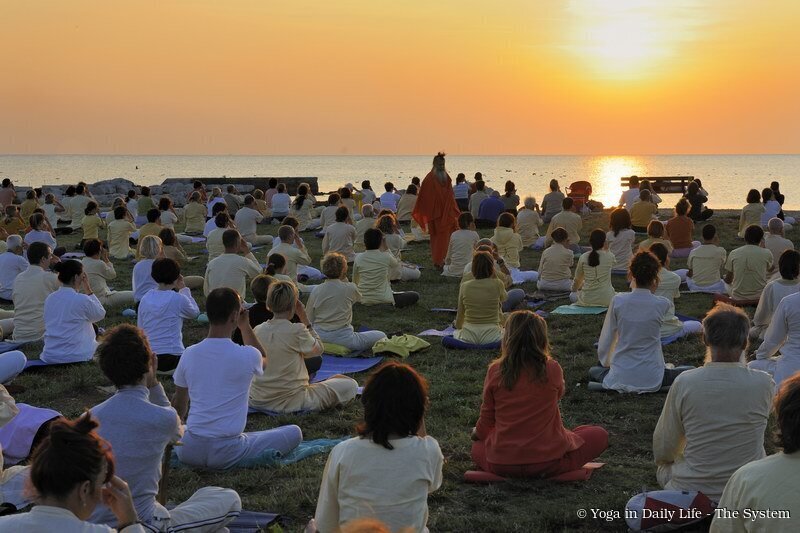
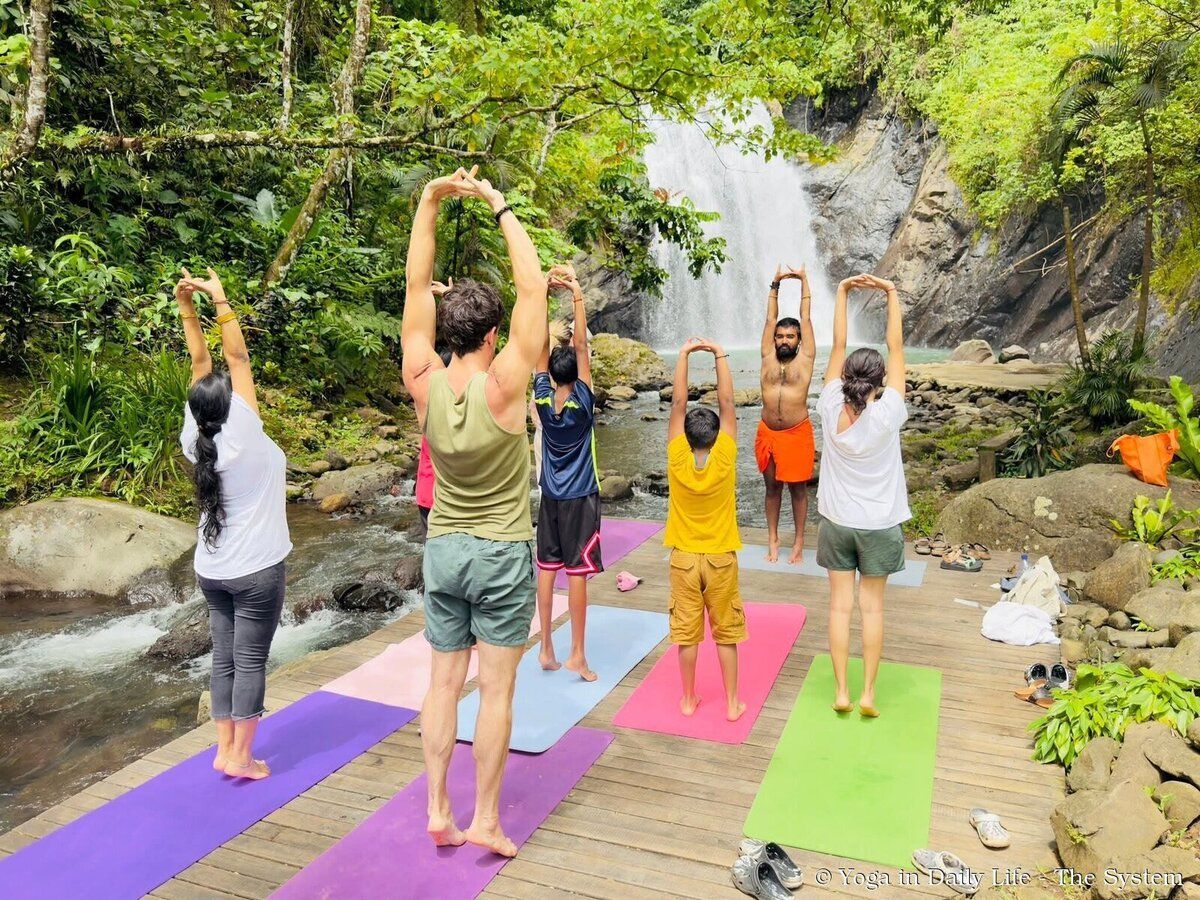
Patanjali’s Yoga Sutras (Samadhi Pada), translated with commentary by Vishwaguru Mahamandaleshwar Paramhans Sri Swami Maheshwaranandaji, provides a comprehensive framework for Raja Yoga’s practice, divided into eight steps, known also as Ashtanga Yoga (Eight Steps of Yoga), which is also described in the book Yoga in Daily Life, The System.
These steps guide the practitioner towards deeper self-awareness and spiritual realisation:
1. Yama (Self-Control, Ethical Restraints): Ahimsa – Non-Violence; Satya –Truthfulness; Asteya – Non-Stealing; Brahmacharya – Pure Way of Life; Aparigraha – Non-Accumulation of Possessions.
2. Niyama (Observances, Disciplines): Shauca – Purity; Santosh – Contentment; Tapas – Self-Control, Self-Discipline; Svadhyaya – Study of the Holy Scriptures; Ishvara Pranidhana – Devotion to God.
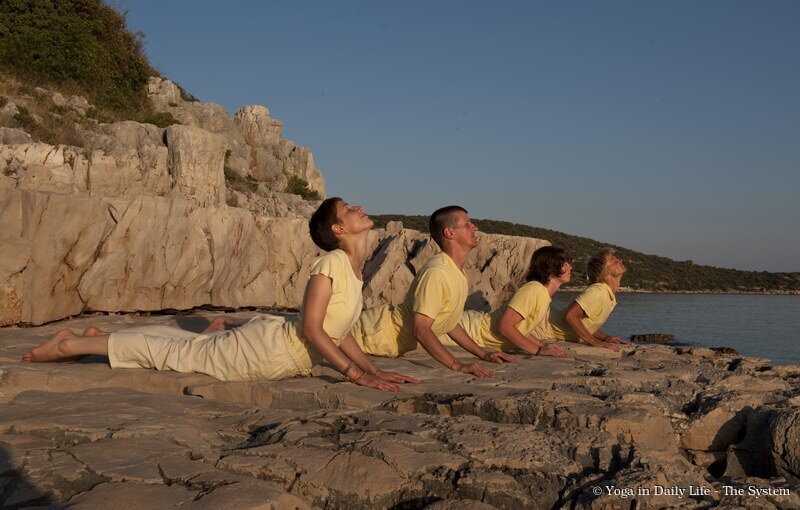
3. Asana – Physical Exercises: Cultivating steady and comfortable postures for physical and mental stability.
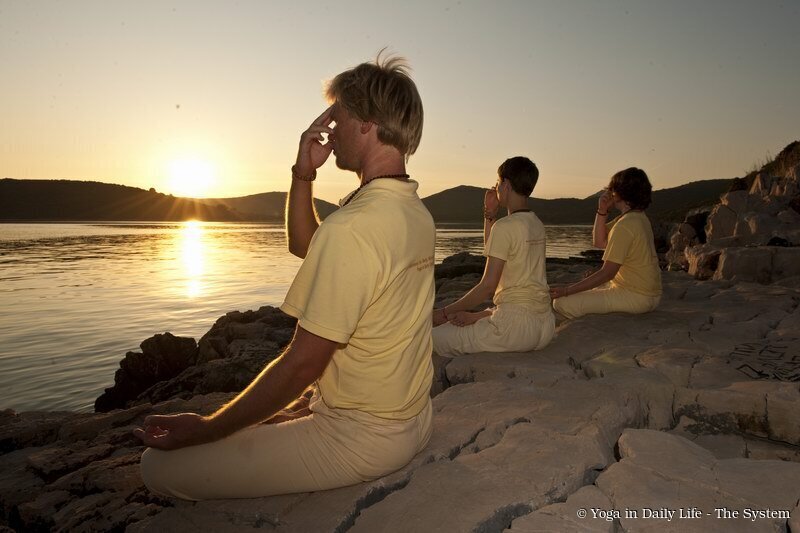
4. Pranayama – Breath Exercises: By controlling the breath, one also achieves control of the mind.
5. Pratyahara – Withdrawal of the Senses: Turning inward by withdrawing the senses from external distractions.
6. Dharana – Concentration: Focusing one’s thoughts and feelings upon a single object.
7. Dhyana – Meditation: In meditation, one experiences pure being. The moment the intellect is still and the individual ego ceases to exist, Divine light shines within the heart, and we are one with it.
8. Samadhi – Complete Realisation: Samadhi is where the knower (the person practising), knowledge (what is God) and object of knowledge (God) unite. This means that one unites with the Divine consciousness.
These stages are interwoven and should be practised regularly, forming a holistic system that goes beyond simple physical postures.
Raja Yoga in Daily Life
Raja Yoga requires a shift in awareness, making every moment an opportunity for mindfulness and spiritual growth. It is not just about scheduled sessions but about infusing every part of life with the discipline and awareness of yoga.
As Vishwaguruji teaches: “True practice requires 24-hour awareness. This is why we call it ‘Yoga in Daily Life'."
This approach integrates yogic principles into work, relationships, challenges and emotions. A yogi strives to maintain balance and mindfulness even in difficult situations, responding with clarity rather than reaction.
Vishwaguruji beautifully summarises this practical wisdom:
“Yoga is not a philosophy; it is a practical science that can be experienced.”
The Yogi’s Approach to Anger
Even a yogi may experience anger, but the difference lies in how it is expressed and released.
Ādi Guru Shankarāchārya explains:
“A yogi’s anger is like striking water with a stick – it causes a momentary disturbance but leaves no trace.”
In contrast, uncontrolled anger is like carving a line in stone – permanent and damaging. Raja Yoga teaches emotional mastery, allowing feelings to arise without leaving lasting scars on oneself or others.

Conclusion: The Royal Journey Within
Raja Yoga is a lifelong journey of discipline, awareness, and compassion. A true yogi carries this practice into every aspect of life, at home, at work, and within society, balancing inner stillness with outer responsibility.
Through the eightfold path, the practice of ahimsā, and the integration of yoga into daily life, Raja Yoga offers a complete guide to self-mastery and spiritual realisation.
By walking this royal path, the practitioner becomes the king of their own self, ruling the mind, senses and emotions with wisdom and grace. Though demanding, the rewards are profound: peace, clarity, liberation, and unity with the Divine.
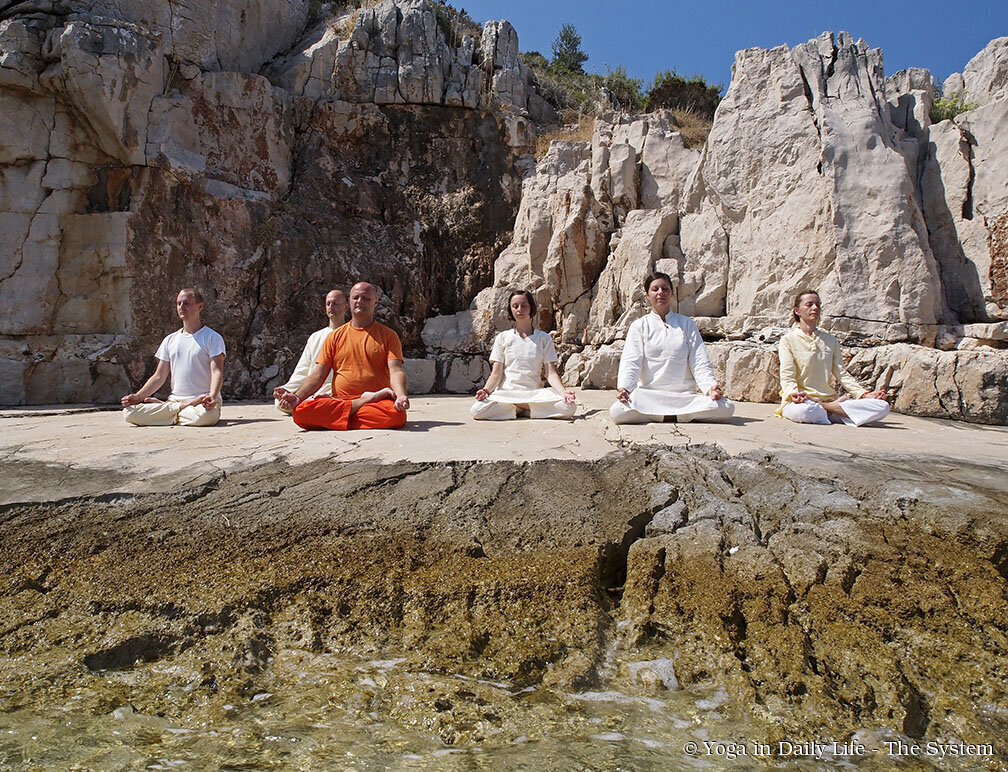
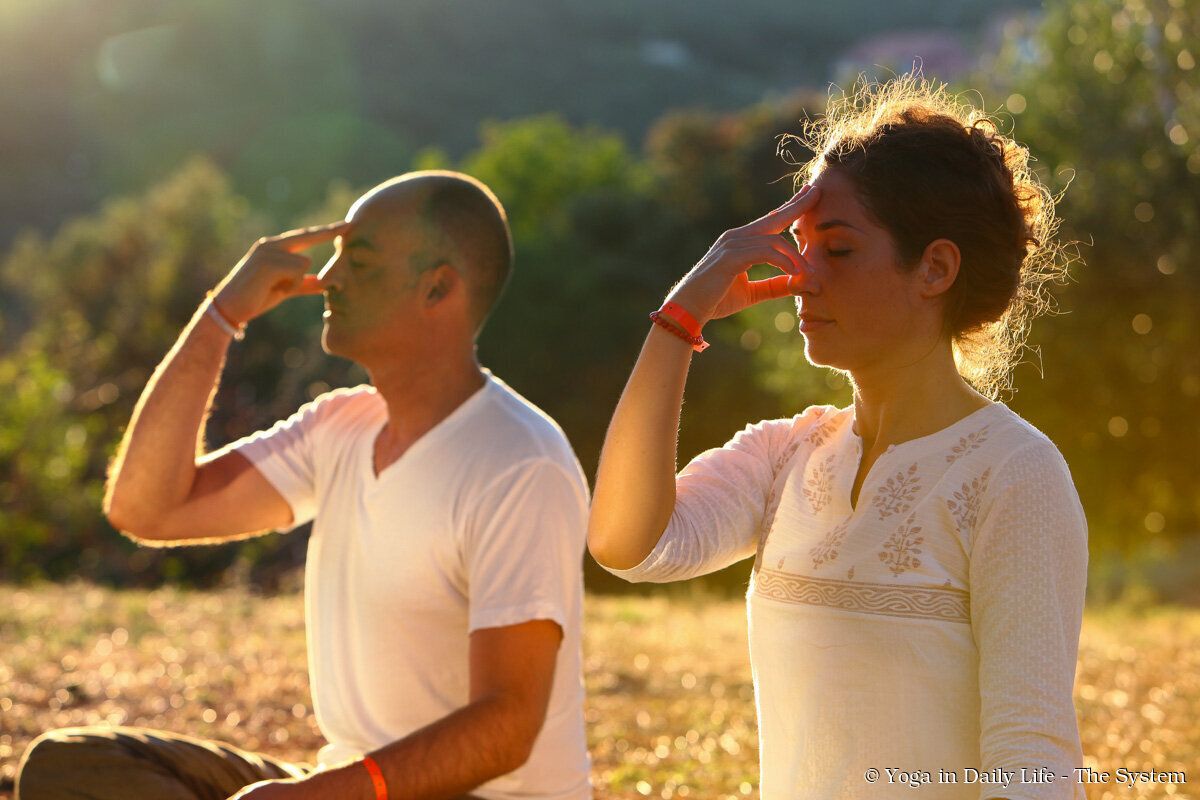
Meditate with Vishwaguruji
Join a guided meditation with Vishwaguruji on YouTube to explore your self:
Self-Inquiry Meditation - Analyzing Thoughts
SOURCES:
1. Bhajan Book, a Collection of Spiritual Songs. Editor: Mahamandaleshwar Paramhans Swami Maheshwarananda
2. Patanjali's Yoga Sutras, Samadhi Pada. Translation and Commentary: Paramhans Swami Maheshwarananda
3. Yoga in Daily Life, The System. Author: Paramhans Swami Maheshwarananda